
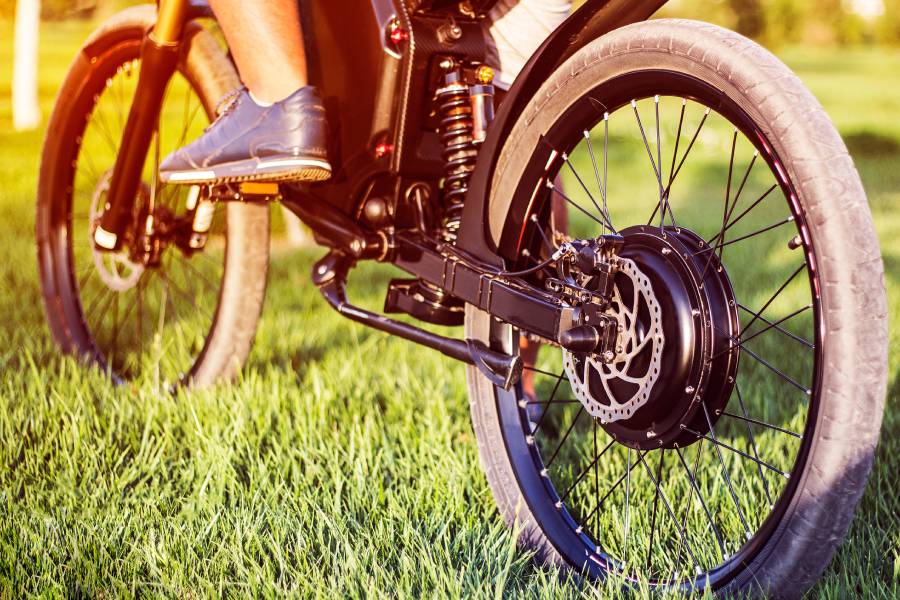
Practical accessories, upright riding positions, and longer battery life for daily transportation are typically featured by commuter e-bikes; comfort, versatility, and performance for leisure rides and fitness activities are usually emphasized by recreational e-bikes.
Fast Facts:
- Commuter e-bikes average 40-80 miles per charge vs 25-50 miles for recreational models
- 73% of e-bike buyers in Cambridge, Ontario use their bikes for both commuting and recreation
- Suspension systems that commuter models skip are often included by recreational e-bikes
- Price difference ranges from $200-800, with commuter models typically costing more
- Built-in lights, fenders, and racks as standard equipment are included by most commuter e-bikes
Understanding Your Daily Riding Needs
Where they’ll ride most often is what most people start by thinking about. The daily grind is what commuter e-bikes are built for. City streets, bike lanes, and the occasional parking lot shortcut are handled with ease by them. You’re kept visible in traffic by the upright riding position. Plus, your laptop, lunch, and whatever else you need for work are what they’re designed to carry. From what we’ve seen in Cambridge, Ontario, the reliability factor is appreciated by commuters. Every single day, rain or shine, is when these bikes are meant to work.
Recreational E-Bikes: Built for Adventure
But a different story entirely is told by recreational models. Weekend trail rides, fitness goals, and pure enjoyment are what they’re designed for. A more relaxed riding position is often allowed by the geometry. Suspension systems that smooth out bumps on longer rides are included by many. Varied terrain rather than consistent daily distances is what battery systems are optimized for. And more sporty or traditional styling tends to be featured, depending on your preference. Over time, these bikes encourage riders to explore new routes; that’s what many find.
Key Feature Differences That Matter
Once you compare them side by side, the practical differences become obvious. Fenders, lights, and cargo racks as standard equipment are typically included by commuter e-bikes. Weather protection in mind is what they’re built with. These accessories are often skipped by recreational models to keep weight down and costs flexible. Motor placement varies too. Hub motors for simplicity and lower maintenance are usually featured by commuter bikes. Mid-drive motors for better hill climbing and natural pedaling feel might be used by recreational models. Both approaches work well, I suppose, depending on your priorities.
Battery Life and Range Considerations
The differences get interesting here. Predictable daily distances are what commuter e-bikes are designed for. 40-80 miles of range are often provided by their batteries because you need to get to work and back reliably; manufacturers know this. 25-50 miles are typically offered by recreational models, but with more power options for varied terrain. The charging systems are usually similar, but features like removable batteries for office charging might be included by commuter models. When you’re using the bike as primary transportation, that flexibility matters.
Price Points and Value Comparison
Generally speaking, slightly more upfront are what commuter e-bikes cost due to included accessories. Convenience and completeness are what you’re paying for. Lower price points are often where recreational models start, but additional purchases for weather protection or cargo capacity are required. From our experience, the total cost evens out over the first year; that’s what most riders in Cambridge find. Choosing the right type for your actual riding habits is where the real value comes from. More than saving a few hundred dollars on the wrong bike, an effortless ride matters.
Making the Right Choice for Your Lifestyle
Honest self-assessment is what the decision usually comes down to. If a car commute is being replaced by you or reliable daily transportation is needed, commuter features make sense. If fitness, weekend adventures, or family rides are what you’re focused on, more flexibility is offered by recreational models. Features from both categories are what many customers discover they want. That’s completely normal. Both types deliver on the core promise of making cycling more accessible and enjoyable; that’s the good news. Your perfect e-bike awaits, and the right choice becomes clear once our website is visited by you to explore your options.
Mini-FAQ:
Q: What’s the main difference between these two types? Look, it comes down to purpose. Daily work transportation is what commuter e-bikes are built for reliably. Practical features that make daily transportation easier are what they’re designed with. More comfort and fun are focused on by recreational models. Different priorities entirely.
Q: Can I use a recreational e-bike for commuting? Fair point, and yes, you absolutely can. Exactly that is done by many people. Weather protection and cargo space involve the main trade-offs. Accessories might need to be added later by you. Not a dealbreaker for most riders.
Q: Which type offers better value for money? Funny enough, how you’ll use it is what this depends entirely on. More accessories upfront are often included by commuter e-bikes, which saves money long-term. More flexibility to customize later is given to you by recreational models. Both approaches have been proven to work well. That still surprises people.
Q: Do recreational e-bikes work well for fitness goals? Absolutely, and fitness in mind is what they’re actually designed with. Multiple assist levels that let you control workout intensity are included by many. Longer rides are encouraged by the comfortable riding position. Perfect for building endurance gradually.