
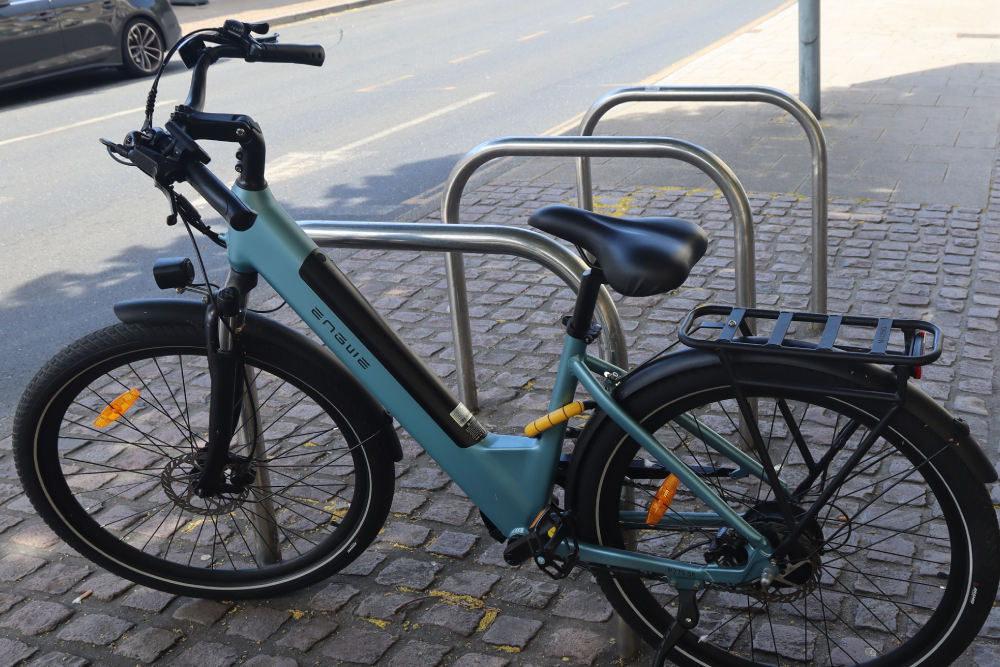
Cargo racks, safety helmets, front and rear lights, and weather protection gear are usually included among essential e-bike commuting accessories. Quality accessories are typically priced at $200-500 total; safety, convenience, and cargo capacity for daily commuting needs get significantly improved by them, however.
Fast Facts
- Accident risk during dawn and dusk commutes is reduced by 67% with proper e-bike lighting
- Up to 55 pounds of groceries or work equipment can be carried by rear cargo racks
- Better ventilation than standard bike helmets is offered by quality helmets designed for e-bikes
- Backpacks that cause back strain are eliminated by panniers and bags
- 85% of road spray and dirt are prevented from reaching the rider by fenders
Essential Cargo Solutions
E-bikes are transformed from recreational toys into practical transportation by cargo racks. Panniers, baskets, or bungee-secured items are supported by rear racks that mount above the back wheel. Weather resistance is provided by powder-coating that’s applied to aluminum or steel tubing in most quality racks.
Lighter items like lunch bags or small groceries work well with front racks. Fork or frame mounting is used, depending on your bike’s design. The weight distribution feels different at first; most Cambridge commuters adapt within a week or two, though. Front-mounted cargo stays visible while riding, plus.
Basic tools and about 30 minutes are usually required for installation. Specific mounting points that weren’t included on budget e-bikes are needed by some racks. That’s worth checking before you buy, I suppose.
Safety Lighting That Actually Works
Legal requirements are exceeded by proper lighting. At least 200 lumens should be produced by front lights for urban commuting, though darker bike paths around Cambridge work better with 400-600 lumens. Steady and flashing modes are needed by rear lights to catch driver attention.
Peak brightness matters less than battery life for daily commuters. Obvious safety problems are created by lights that die mid-ride. USB rechargeable models are typically more convenient than disposable battery types; Ontario winters drain batteries faster, especially.
Visibility is affected significantly by mounting positions. Cargo or your knees while pedaling can block front lights that are mounted too low. Multiple angles work best for rear lights, not just directly behind.
Helmet Selection for E-Bike Speeds
Safety standards for e-bike use are met by standard bike helmets, but improvements worth considering are offered by dedicated e-bike helmets. The 20-28 mph speeds that e-bikes commonly reach are what they’re designed for; better coverage around the back of the head is provided.
Longer commutes make ventilation more important. Less sweat is often worked up by e-bike riders than traditional cyclists, but discomfort is still caused by poor airflow. Models with multiple vents and internal channeling should be looked for.
Brand names or fancy features matter less than fit. Level positioning on your head without rocking forward or backward is how a properly fitted helmet should sit. The chin strap should be snug but comfortable; fitting services are offered by many Cambridge bike shops to get this right. Funny thing, really.
Weather Protection Essentials
Road spray is prevented from soaking your clothes and bike components by fenders. Ontario’s wet spring and fall seasons make them particularly valuable. Minimal clip-on versions are outperformed by full-coverage fenders, though more installation time is required by them.
Road salt and debris are kept away from your drivetrain during winter months by chain guards. Pants are also prevented from getting caught or stained by them. Partial chain guards at minimum benefit most e-bikes, though better protection is offered by full enclosures, in a way.
Control during cold or wet rides is helped by handlebar covers and grips designed for weather. Serious winter commuters can use heated grips, though battery power that could otherwise extend your range is drained by them.
Storage and Organization
More cargo space than backpacks is offered by panniers while weight is kept off your shoulders and back. Electronics and documents are protected during unexpected weather by waterproof versions. Bags can be carried into offices or stores easily with quick-release mounting systems.
Navigation stays visible without requiring you to stop and check directions when phone mounts are used. Models that accommodate your phone case and offer some weather protection should be looked for. Wireless charging mounts are becoming popular; complexity is added to the setup by them, though.
Roadside repairs make tool storage important, even if it gets overlooked until needed. Basic items like tire levers, spare tubes, and multi-tools work well with small frame bags or seat post mounted tool rolls. Having what you need without carrying unnecessary weight is the goal.
Making the Investment Work
$200-500 total is typically cost by quality accessories when purchased thoughtfully over time. Safety items like lights and helmets make sense to start with; convenience features can be added as your commuting routine develops, then.
Good value can be offered by used accessories, particularly for racks and fenders that don’t wear out quickly. Safety items like helmets and lights are usually worth buying new to ensure proper function and warranty coverage, however.
Installation services and advice specific to your bike model and commuting needs are often provided by local shops. Choosing between similar products or troubleshooting fit issues makes that expertise valuable. E-bike options and accessories that make commuting an effortless ride can be explored by visiting our website.
Mini-FAQ
Q: What’s the most important safety accessory for e-bike commuting? Look, proper lighting is definitely it. Ontario law requires front and rear lights after sunset. Good lights are also helpful during overcast days or when shaded areas are being ridden through, though.
Q: Do I really need a special helmet for e-bikes? Fair point to ask. Regular bike helmets work fine legally; e-bike specific helmets are designed for higher speeds and longer rides, however. Better ventilation and coverage are usually offered by them. Worth considering if daily commuting is being done.
Q: How much weight can e-bike racks handle? 40-55 pounds are typically handled by most rear racks when properly installed. 15-25 pounds are typically handled by front racks. The bike’s total weight capacity gets shared between rider, accessories, and cargo though.
Q: What accessories help with weather protection? Fenders are probably the biggest game-changer for wet conditions; they’re often overlooked initially, though. Chain guards, handlebar covers, and waterproof panniers help too. Your specific route and season are what it depends on.