
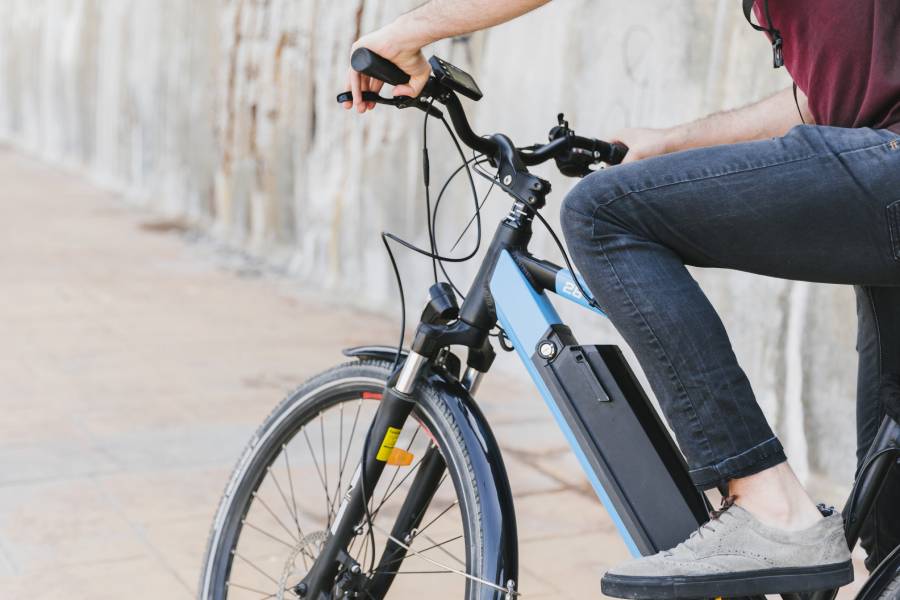
The Guided Busway usually doesn’t allow e-bikes, as buses and emergency vehicles are typically the only permitted users of these routes. However, rules can vary by location; specific regulations in your area should be checked with your local transit authority.
Fast Facts:
- Strict vehicle-only policies are operated under by most guided busways for safety reasons
- Parallel cycling routes are often run by alternative systems to busway infrastructure
- Bus schedules can be conflicted with by e-bike speeds of 25-32 km/h
- Several dedicated bike lanes for commuter cycling are offered by Cambridge, Ontario
- Cycling policies are reviewed by transit authorities every 3-5 years on average
Understanding Guided Busway Restrictions
A specific purpose was kept in mind when guided busways were built. Buses are moved quickly and safely through urban areas by them. Specialized guidance systems that help buses navigate precisely are included in the infrastructure. This equation simply doesn’t accommodate e-bikes. These routes are classified as restricted roadways by most transit authorities, similar to highways where bicycles are prohibited.
These policies are driven by safety concerns. Tight schedules are operated on by buses, and clear pathways are expected. Dangerous situations could be created when buses approach at higher speeds by an e-bike traveling at 25 km/h.
Local Rules in Cambridge, Ontario
A comprehensive cycling network that works around transit infrastructure has been developed by Cambridge. Several bike-friendly routes that connect major destinations are provided by the city. Commuter e-bikes were kept in mind when these paths were designed, offering smooth surfaces and reasonable grades.
From what we’ve seen, the Trans Canada Trail system is used by many Cambridge residents for longer commutes. Various neighborhoods are connected by the trail, and a comfortable, reliable alternative to busier roads is provided.
Safety Considerations for E-bike Commuters
Specific traffic patterns on guided routes are watched for by bus drivers who are trained accordingly. Cyclists aren’t expected to be encountered in these spaces by them. Blind spots where e-bikes might not be visible can also be created by the guidance systems that keep buses on track.
Plus, bike tires aren’t always accommodated ideally by the surface materials used on busways. Concrete or specialized paving that can be slippery when wet is used by some sections.
Alternative Routes That Work Better
Better experiences are often discovered by smart e-bike commuters on parallel routes anyway. More predictable traffic patterns are provided by regular bike lanes. Other cyclists who understand e-bike speeds and behavior will be encountered by you. Space to enjoy the ride without worrying about vehicle conflicts is given by multi-use trails.
Several options that connect residential areas to business districts are offered by Cambridge. Downtown areas are linked by the Riverside Park trail system. Scenic routes for those who want an effortless ride to work are provided by Speed River trails.
Planning Your E-bike Commute
E-bike-specific options that avoid restricted areas automatically are now included by route planning apps. Factors like battery range, elevation changes, and bike lane availability are considered by these tools. You’ll be steered away from busways and toward routes that welcome e-bikes by them.
Timing should be considered as well. Parallel routes might be made busier by peak bus hours, but smoother experiences on alternative paths are often provided by off-peak travel.
Getting the Right E-bike for Your Route
Different e-bike features are called for by different routes. Longer alternative routes work well with commuter models that have good range. Scenic detours instead of direct busway routes are helped by bikes with comfortable seating.
Your perfect e-bike awaits, and any commute is made more enjoyable by choosing the right model. Options that match your specific route needs and commuting goals can be explored by visiting our website.
Mini-FAQ:
Q: Can I ride my e-bike next to the Guided Busway? Separate cycling paths that run alongside busway routes are provided by many areas. Bikes and e-bikes are specifically designed for by these paths. Local maps should be checked for dedicated cycling infrastructure in your area.
Q – What happens if I accidentally ride on the busway? Fines or safety risks from approaching buses could be faced by you. Clear signage indicating vehicle restrictions is displayed by most busways. That still surprises people.
Q: Are there good alternatives for e-bike commuting? Fair point. Better routes for e-bikes are often provided by regular bike lanes, multi-use trails, and quieter residential streets anyway.
Q: Do the rules ever change for special events? Look, sections are temporarily opened by some transit systems during community events or maintenance periods. Your local authority should be contacted for current policies.