
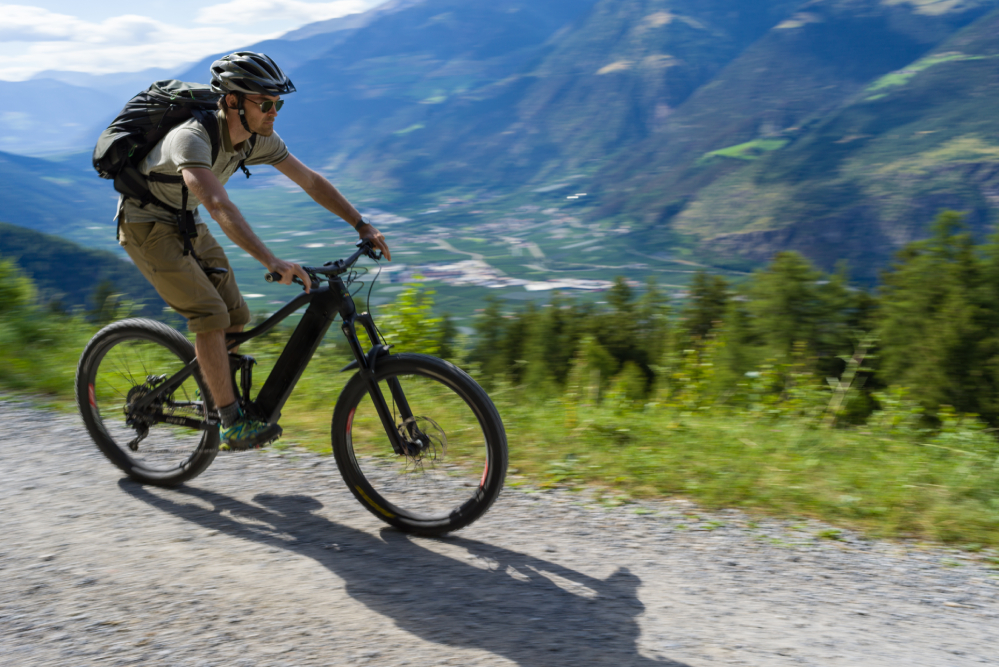
When proper precautions are taken, e-bikes are usually safe for beginners. How motor assistance affects balance and braking is understood as the key; during the first few rides most accidents happen while power adjustment occurs. Lower assistance settings should be started with, and safe areas should be practiced in before commuting.
Fast Facts:
- Roughly 2.3 per 1,000 riders annually are injured on e-bikes, similar to traditional bicycles
- Within their first week, 78% of new e-bike riders report feeling confident
- At 20 mph on most models, motor assistance cuts off for safety compliance
- By 85%, proper helmet use reduces head injury risk
- Bike balance and handling characteristics are affected by battery placement
Understanding E-Bike Power Assistance
Differently than pedaling a regular bicycle, the motor assistance on e-bikes responds. After a brief delay, the motor kicks in when you start pedaling; at first, this can feel jarring. Between models, this lag time varies, but around half a second it’s usually.
In Cambridge, many commuters find that the feeling gets helped by starting in the lowest assistance mode. After several rides, the power delivery becomes more predictable. Plus, how your specific bike responds to different pedal pressures will be learned by you.
Weight and Balance Considerations
Compared to 25-35 pounds for traditional bikes, e-bikes typically weigh 40-70 pounds. Between the motor, battery, and reinforced frame components, this extra weight gets distributed. How the bike handles during turns and stops is affected by the battery placement.
With her first e-bike, a student we know struggled because identical to her old mountain bike she expected it to feel. In empty parking lots after practicing, that the weight actually helped with stability once she got moving was discovered by her. Than expected, the learning curve was shorter.
Braking Techniques for Electric Bikes
Because of the increased weight and higher average speeds, different timing is required by stopping an e-bike. Harder work is done by the brake pads, and more frequently than on regular bicycles replacement is needed. During their first maintenance visit, this gets found surprising by some riders.
Than sudden stops, progressive braking works better. Earlier than you would on a traditional bike, start braking; especially when intersections or pedestrian areas are being approached. Over time, naturally your reflexes will adjust.
Traffic Awareness and Road Positioning
Than regular bicycles, e-bikes move faster; how you interact with traffic flow is changed by this. Your speed might not be expected by cars, particularly when from stops you’re accelerating or hills are being climbed. At intersections, extra attention is required by this speed difference.
That more like vehicles drivers treat them once the consistent speed is seen by them is often mentioned by urban professionals. But more strictly, following traffic rules this means. For safety and legal compliance, bike lanes become more important.
Protective Gear and Visibility
The most important safety equipment, helmets remain; though whether different standards should be met by e-bike helmets is debated by some riders. That adequate protection for most e-bike speeds is provided by regular bicycle helmets is suggested by current research.
Because of the higher speeds and longer distances that typically are traveled by e-bike riders, more critical reflective clothing and lights become. For dawn and dusk rides, extra lighting systems are added by many outdoor enthusiasts. In visibility and confidence, the investment pays off.
Common Beginner Mistakes to Avoid
During their first month of ownership, the same errors are often made by new riders. To jerky starts and difficulty controlling speed in crowded areas, using maximum assistance immediately leads. When the return trip isn’t planned for by people, battery management becomes an issue.
Underestimating stopping distances, another frequent mistake involves. More space to brake safely is meant by the combination of speed and weight you need. Better judgment gets helped to develop by practice sessions in quiet areas. Anyway, for most people that’s usually where it clicks.
Getting Started Safely
Before your daily commute or longer recreational trips are tackled, begin with short rides in familiar areas. Brief orientation sessions for new e-bike owners are offered by many bike shops in Cambridge. Basic operation and safety considerations specific to your model are covered by these sessions.
To get comfortable with the controls and handling, consider taking a few practice rides during off-peak hours. As how the bike responds in different situations is experienced by you, naturally the confidence builds. When more challenging routes or longer distances are ready to be explored by you, to learn about our comfortable and reliable e-bike options visit our website.
Mini-FAQ:
Q: Do e-bikes tip over more easily than regular bikes? Not really. From battery placement, the lower center of gravity actually improves stability at higher speeds. During the first few rides, balance feels different because of the added weight. Quickly, most riders adapt.
Q: Are e-bike brakes different from regular bike brakes? Look, the same way is how the brakes themselves work. But from higher speeds more often you’ll be stopping, so faster wear happens to brake pads. Regenerative braking is included in some models that feels unusual at first. Practice helps.
Q: What’s the biggest safety mistake new riders make? Too much motor assistance right away is used by most beginners; jerky starts and awkward stops are caused by this. By the sudden power boost, people get caught off guard. That still surprises people.