
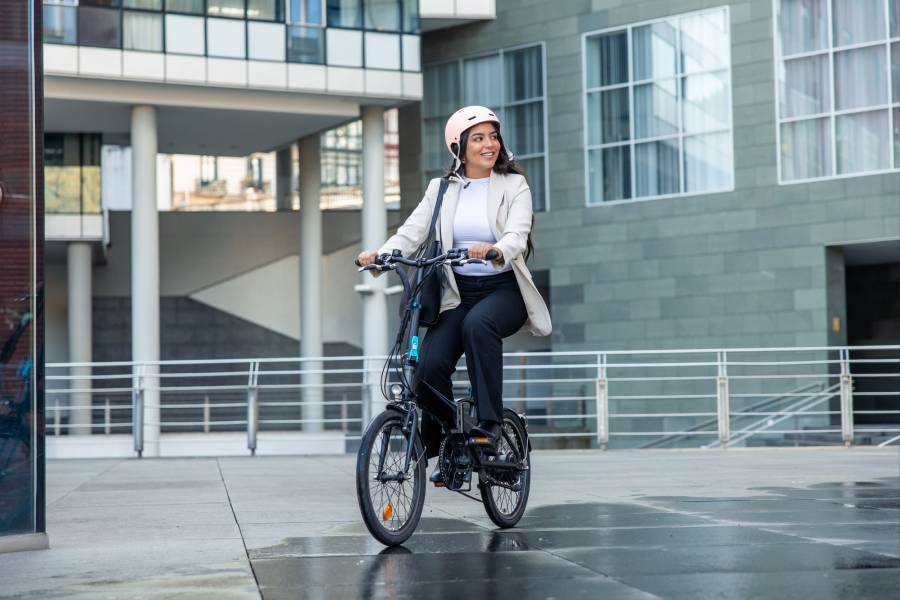
A 500-750W motor, 40+ mile range, and comfortable upright geometry are usually combined in the best commuter e-bike for 2026; step-through frames with integrated batteries, puncture-resistant tires, and built-in security features are included in top picks… though your specific commute distance and terrain will ultimately determine the ideal match.
Fast Facts
- Average commuter e-bike range has been increased 35% since 2023, now hitting 50-65 miles per charge
- 60% of urban commuter sales are accounted for by step-through designs
- 8-15 miles are ridden daily by most commuters, well within modern battery capabilities
- 80% of commuter models now include integrated lighting systems as standard
- Mid-drive motors are typically preferred by Cambridge, Ontario riders for hill performance
Understanding Your Commute Needs
Your daily route should be considered carefully before diving into specific models. Distance matters, but your experience gets shaped more by terrain and weather conditions than most people realize. Different features are required by a 5-mile flat ride than a 12-mile route with significant hills. Varied elevation changes are often dealt with by Cambridge riders that benefit from mid-drive systems. Your choice gets affected by storage at work and home too. Battery charging is restricted by some buildings, making removable batteries essential. Weather protection becomes crucial during Ontario winters when salt and moisture are faced by exposed components.
Motor Power and Placement
Most flat commutes are worked well by hub motors and less maintenance costs over time. Quiet operation and consistent power delivery are provided. Hills are excelled on by mid-drive motors and traditional cycling is felt more like. Your pedaling gets assisted by the motor rather than just pushing you forward. 500W is found sufficient by most commuters, though extra confidence on steep grades is provided by 750W. Power isn’t everything, though. Smoother acceleration is created by torque sensors than basic cadence sensors. Stop-and-go traffic situations make the difference noticeable.
Battery Life and Charging
New e-bike owners are affected by range anxiety more than they should be. 40-60 miles are typically lasted by modern batteries depending on assist level and terrain. Most commutes are covered by that with room for errands. Flexibility is offered by removable batteries for apartment dwellers or office workers without secure parking. 4-6 hours are taken for charging from empty, though daily top-offs are done by most people rather than fully draining. Range gets reduced by cold weather roughly 20-30%, something learned quickly by Ontario riders. Bike balance and theft risk are affected by battery placement, in a way.
Comfort Features That Matter
Strain during longer commutes is reduced by upright riding positions. Mounting is made easier by step-through frames, especially when work clothes are worn. Rough pavement and potholes that are encountered daily by city bikes get smoothed out by suspension forks. Most flats are prevented by wide, puncture-resistant tires while stability is provided. Your position can be fine-tuned over time by adjustable stems. Daily riding makes comfortable saddles matter more than you’d expect. Seats are swapped immediately by some riders, while stock options are adjusted to by others. Hand fatigue during longer rides is reduced by ergonomic grips.
Safety and Security Considerations
Daily commuting is worked better by integrated lighting systems than add-on lights. They’re always charged and correctly positioned. Dawn and dusk ride visibility is helped by reflective elements. Consistent stopping power in wet conditions is provided by disc brakes. Turn signals or brake lights for added visibility are included by some models. Models vary widely in security features. Convenience is offered by integrated locks but serious theft may not be deterred. Recovery is helped by GPS tracking but theft isn’t prevented. Theft appeal when parked is reduced by removable batteries and displays.
Maintenance and Reliability
Regular cleaning and lubrication are required by chain drives, especially during winter months. Less maintenance is needed by belt drives but initial costs are higher and gear options get limited. Components are protected from weather better by hub gears than derailleur systems. Better performance is delivered by hydraulic disc brakes but professional service is needed occasionally. Basic tune-ups are needed by most commuter e-bikes every 6-12 months depending on usage. Daily riding makes tire replacement more frequent. Long-term costs are reduced by quality components despite higher upfront prices. Interesting how that works.
Making Your Final Choice
Comfort and fit are best evaluated by test riding. Extended test periods are offered by many Cambridge area shops for serious buyers. Your storage situation, charging options, and local service availability should be considered. Brand warranty coverage varies significantly and long-term ownership costs are affected. Roadside assistance or loaner programs are offered by some manufacturers. Your perfect e-bike awaits, but buyer’s remorse is prevented by taking time to match features with actual needs. Options that fit your specific commuting requirements can be explored by visiting our website.
Mini-FAQ
Q: How much should I spend on a commuter e-bike? $1,800 to $3,500 is typically where quality commuter e-bikes are priced. The sweet spot gets found around $2,200-2,800 where reliability meets features. Cheaper options exist but durability for daily use may be lacking.
Q: What’s the ideal range for commuting? Look, range needs get overestimated by most people. The vast majority of commutes are covered by a 40-mile range with power to spare. These estimates factor in battery degradation by manufacturers.
Q: Are mid-drive or hub motors better for commuting? Both should be considered, fair point. Hills are handled better by mid-drive motors and feel more natural, while less maintenance is required by hub motors and repair costs are lower. Flat terrain commuting often prefers hub motors. That still surprises people.
Q: Do I need suspension for city riding? Funny enough, front suspension is found helpful for comfort by most commuters but full suspension unnecessary. Road vibrations get absorbed well enough with good tires and a quality seat.