
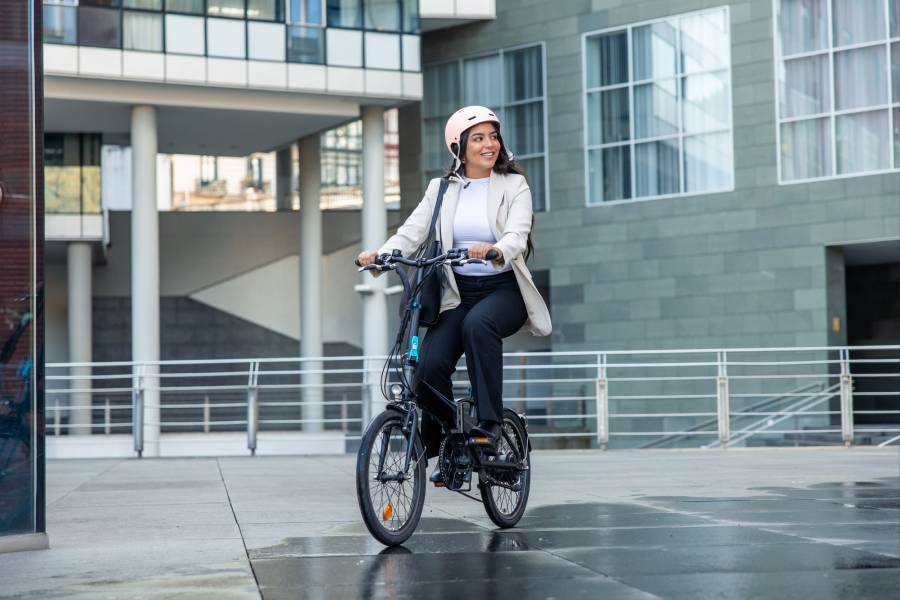
The best electric bikes for long commutes are usually equipped with batteries between 500-750Wh, providing roughly 40-80 miles of range depending on terrain and assist level; models like the Trek Allant+ and Specialized Turbo Vado excel in this category with proven reliability and comfortable riding positions that make extended daily rides more enjoyable.
Fast Facts
- Most long-range commuter e-bikes are offered with 500-750Wh battery capacity
- Real-world range typically spans 40-80 miles on a single charge
- Battery replacement costs are averaged at $400-800 after 3-5 years
- Charging time ranges from 3-6 hours for most high-capacity batteries
- Mid-drive motors are generally considered more efficient than hub motors for long distances
Understanding Battery Capacity for Long Commutes
Watt-hours are used to measure battery capacity, and it’s the most important spec for long-distance riding. A 500Wh battery typically provides 40-60 miles of range; 750Wh systems can push 60-80 miles under ideal conditions. Real-world performance, however, is varied significantly by rider weight, terrain, and assist levels that are used throughout the ride.
Rolling hills and varying weather conditions are often dealt with by Cambridge commuters. Range can be reduced by 20-30% compared to manufacturer claims because of these factors. Most riders prefer keeping some battery reserve rather than arriving at work with a completely drained system.
Top Long-Range E-Bike Models
Reputations around reliable long-distance performance have been built by several manufacturers. Trek’s Allant+ series features 625Wh batteries with proven durability over thousands of commute miles. Similar capacity is offered by the Specialized Turbo Vado with excellent motor efficiency that maximizes every watt-hour.
These premium models are commonly equipped with Bosch and Shimano motor systems. Consistent power delivery across the entire battery range is what they’re designed for. That consistency matters more than peak power when you’re covering 25+ miles daily.
Battery Technology and Charging Considerations
Lithium-ion cells similar to those found in electric cars are used in modern e-bike batteries. Daily charging cycles without significant degradation for several years are what they’re designed to handle. Smart charging that prevents overcharging and optimizes battery health over time is included in most systems.
High-capacity batteries typically take 4-6 hours for charging. Overnight charging is done by many commuters, with top-offs during work hours if needed. E-bike charging stations are being added by some employers in Ontario; this makes longer commutes more practical than ever before.
Motor Efficiency and Range Optimization
Better efficiency than hub motors for long-distance riding is generally provided by mid-drive motors. They work with your bike’s gears, allowing the motor to operate in its optimal power band more often. Better range and more natural riding feel are translated from this, especially on hills or varying terrain.
Battery consumption is hugely affected by pedal-assist levels. Your range can be doubled by eco mode compared to turbo mode, though you’ll work harder. A sweet spot in mid-level assist that balances effort with battery conservation is found by most long-distance commuters, in a way.
Real-World Range Testing
Ideal conditions that rarely match daily commuting reality are what manufacturer range claims are based on. Advertised ranges typically drop 25-40% with normal commuting patterns, as shown by real testing. Actual distance covered is reduced by headwinds, hills, cold weather, and higher assist levels.
An 80-mile range might be claimed by a 750Wh battery, but 50-60 miles should be expected in typical commuting conditions. Planning conservatively and enjoying the extra buffer is better than risking running out of power mid-commute. The right balance of capacity and real-world performance is what your perfect e-bike awaits.
Making the Investment Decision
$2,500-5,000 is what long-range e-bikes typically cost, with battery capacity being a major price factor. Reduced car expenses and improved commute quality often allow the extra cost to pay for itself. A reliable e-bike transforms their daily travel experience from stressful to enjoyable, as many Cambridge residents find.
Your specific commute distance, terrain, and backup transportation options should be considered. Investing in higher battery capacity usually makes sense if you’re covering 40+ miles daily. A mid-capacity system with good efficiency might be the smarter choice for shorter distances. Test riding different models helps you understand how battery capacity translates to real-world performance, either way.
Mini-FAQ
Q: How long do e-bike batteries actually last for daily commuting? Most quality e-bike batteries are rated for 500-1000 charge cycles. With daily commuting, that translates to roughly 2-4 years of regular use before capacity drops noticeably. Proper charging habits can extend this significantly. That still surprises people.
Q: What’s the real difference between 500Wh and 750Wh batteries? Look, the extra 250Wh typically adds 15-25 miles of range, but it also means more weight and higher cost. For commutes under 30 miles round-trip, 500Wh usually works fine. Longer distances benefit from the extra capacity.
Q: Do I need a second battery for long commutes? Fair point to consider. Some manufacturers offer dual-battery systems or removable batteries for extended range. It’s overkill for most commuters but makes sense for 50+ mile daily rides or hilly terrain.
Q: How much does cold weather affect battery range? Funny enough, lithium batteries lose about 20-30% capacity in freezing temperatures. Plan accordingly during winter months. Most riders don’t realize this until their first cold commute.