
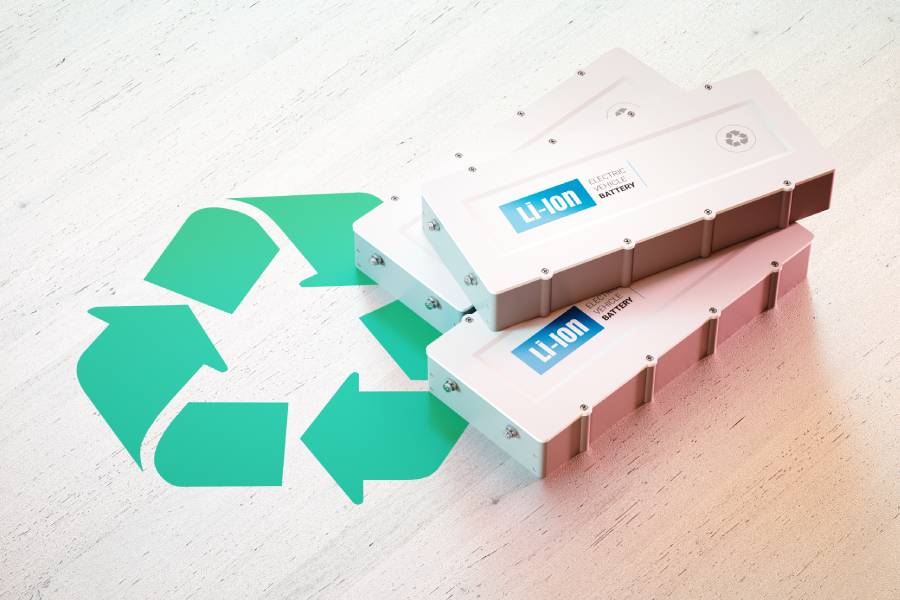
E-bike batteries can be recycled in Cambridge at the Waste Management Centre on Savage Drive, participating Canadian Tire locations, and select bike shops; lithium-ion batteries are accepted free of charge by most facilities, though current programs should be confirmed by calling ahead.
Fast Facts
- Household hazardous waste including e-bike batteries is accepted by Cambridge Waste Management Centre during specific hours
- Through proper recycling, over 95% of lithium-ion battery materials can be recovered
- Roughly 65 waste facility fires annually across Canada are caused by improper disposal
- Before needing replacement, most e-bike batteries last 3-5 years
- Battery collection events are coordinated twice yearly by Regional Municipality of Waterloo
Finding Municipal Drop-Off Locations
Most household hazardous waste, including e-bike batteries, is handled by Cambridge’s Waste Management Centre on Savage Drive. Specific hours for battery drop-offs are operated by the facility, usually weekday mornings and Saturday afternoons. Lithium-ion units are handled safely by trained staff members, and free service is provided for Cambridge residents.
Calling ahead makes sense, though. Seasonal changes affect hours; capacity limits are occasionally reached during busy periods. Plus, acceptance of your specific battery type should be confirmed.
Retail Partnership Programs
Battery take-back programs are participated in by several Cambridge retailers. Small lithium-ion batteries are often accepted by Canadian Tire locations, though store management varies policies. Collection programs are also run by some Home Depot and Best Buy locations, particularly during Earth Week events.
Another option worth exploring is represented by local bike shops. Battery disposal or recycling is also handled by many shops that sell e-bikes Cambridge residents ride. Maintenance visits or new battery purchases usually include the service.
Regional Collection Events
Periodic hazardous waste collection events throughout Cambridge are organized by the Regional Municipality of Waterloo. Batteries, paint, electronics, and other items that can’t go in regular waste streams are accepted by these pop-up locations.
Twice yearly, events typically happen, often at community centers or municipal parking lots. City newsletters and social media publicize them well. Over 200 batteries in a single day were collected by one recent event at the Cambridge Centre.
Preparing Batteries for Disposal
A few simple safety steps are involved in battery preparation. The battery should be removed from your e-bike completely, and any visible damage like cracks or swelling checked for. Extra care during transport is needed by damaged batteries to prevent short circuits.
Battery terminals should be taped over with electrical tape or the unit placed in a plastic bag. Accidental contact with metal objects during transport is prevented by this. Original packaging is preferred by most facilities when batteries arrive, if possible.
Understanding the Recycling Process
Once collected, specialized processing facilities across Ontario and Quebec receive shipped batteries. Battery packs are broken down into individual cells by these facilities, then materials like lithium, cobalt, nickel, and aluminum are separated through various chemical processes.
New batteries or other electronic products often contain the recovered materials. From what we’ve seen, significant improvement in the recycling rate for lithium-ion batteries has occurred over the past five years. The infrastructure continues developing as e-bike adoption grows, still.
Environmental Benefits and Compliance
Heavy metals are prevented from entering landfills and groundwater systems by proper battery recycling. The need for new mining operations, which can be environmentally intensive, is also reduced. According to available data, roughly the same amount of raw materials needed for three new smartphone batteries is saved by recycling one e-bike battery.
Collection and recycling systems are required to be funded by manufacturers through Ontario’s battery stewardship programs. Product prices rather than taxpayers or waste management systems receive the built-in environmental costs.
Getting Expert Guidance
When you’re ready to recycle your e-bike battery, the process can be guided by local expertise. Regional recycling options are understood by Cambridge bike shops, and disposal can often be handled as part of their service offerings. Battery health assessments before disposal becomes necessary are also provided by many shops that specialize in e-bikes Cambridge commuters rely on.
For personalized advice about battery care, recycling, or replacement options, visit our website to connect with knowledgeable staff who understand the local cycling community.
Mini-FAQ
Q: Can I throw my e-bike battery in regular recycling? No, specialized handling is required by lithium-ion batteries and they can’t go in curbside recycling. These aren’t processed safely by regular recycling facilities. That still surprises people.
Q – What happens if the battery is damaged or swollen? Extra care during transport is needed by damaged batteries. They should be wrapped in non-conductive material and metal contact avoided. Damaged units are accepted by most facilities, but specific protocols may be required.
Q: Do bike shops take old batteries when I buy new ones? Fair point. Trade-in programs or disposal services are offered by many shops, though policies vary by location. Small fees are charged by some while it’s included with new battery purchases by others.
Q: How much does battery recycling cost? Look, free service for residents is provided by most municipal programs. $5-15 might be charged by private facilities depending on battery size and condition.