
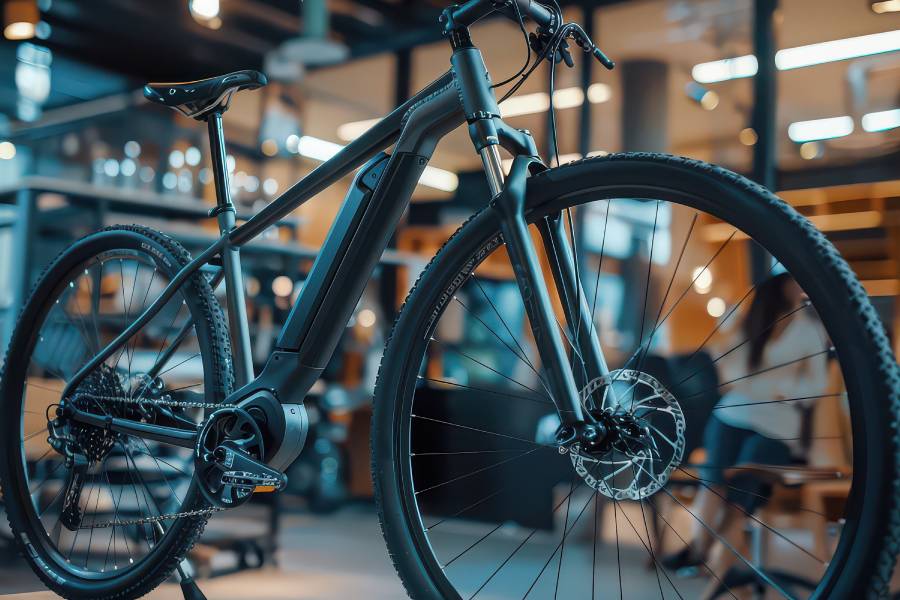
Electric bike prices in Ontario are usually set between $1,200 to $4,500, depending on motor power, battery range, and build quality. Comfort comes down to proper fit, suspension type, and seat design; reliability gets determined heavily by component quality and regular maintenance. Your perfect e-bike awaits when features are matched to your actual riding needs.
Fast Facts:
- Electric bikes in Ontario typically cost 40-60% less to operate than cars for short commutes
- Battery replacement averages $400-800 every 3-5 years depending on usage patterns
- Mid-drive motors last longer than hub motors but cost roughly 25% more upfront
- Proper tire pressure alone can extend battery range by 15-20% per charge
- Most quality e-bikes require professional tune-ups every 6-12 months
Understanding E-Bike Price Ranges in Ontario
Several key factors get reflected in electric bicycle pricing that aren’t always obvious at first glance. Entry-level models around $1,200-1,800 typically feature basic hub motors and smaller batteries. These work fine for short commutes but struggle with hills and longer distances. Better motors, larger batteries, and improved components are offered by mid-range options ($2,000-3,200). Advanced features like integrated batteries, high-end drivetrains, and sophisticated displays are included in premium models above $3,500. A Cambridge commuter recently told us she wished she’d spent more upfront rather than upgrading after six months. Sometimes the budget approach costs more in the end.
Motor Types and Their Impact on Cost
Hub motors mount directly in the wheel; they cost less to manufacture. They’re simple, reliable, and work well for flat terrain. Mid-drive motors sit near the pedals and use the bike’s gears, making them more efficient on hills. This efficiency comes at a price premium of roughly 20-30%. How the bike feels when you ride it gets affected by the motor placement. Hub motors provide a “pushed” sensation, while mid-drive systems feel more natural. Most serious commuters prefer mid-drive systems once both options are tried.
Battery Capacity and Range Considerations
Both price and practical range are directly impacted by battery size. A 400Wh battery might get you 25-40 kilometers depending on terrain and assist level. Stepping up to 500Wh or 625Wh batteries adds $200-400 to the price but extends range significantly. Capacity gets reduced by 15-20% during Ontario winters due to cold weather. Many riders find that a larger battery provides peace of mind even if the full range isn’t used daily. Buying decisions are affected by range anxiety more than actual riding needs in many cases, I suppose.
Comfort Features That Matter Most
The riding experience for most people gets made or broken by seat design. A quality saddle costs $50-150 but prevents discomfort during longer rides. Back and wrist comfort are affected by handlebar position, especially for commuters spending 30-60 minutes daily on their bikes. Comfort gets added by suspension but also weight and complexity. Rough pavement is helped by front suspension and costs $100-300 extra. Full suspension systems start around $500 additional but transform the riding experience on mixed terrain. Comfortable and reliable performance starts with proper bike fit.
Component Quality and Longevity
Brake systems vary dramatically between price points. Basic mechanical disc brakes work adequately but require more maintenance than hydraulic systems. Better stopping power and longer lasting adjustments are provided by quality hydraulic brakes that cost $200-400 more. Similar patterns are followed by drivetrain components. Budget bikes often use 7-speed systems that shift adequately when new. Smoother shifting and longer component life are featured in premium models with 9-11 speed systems. The difference becomes apparent after 6-12 months of regular use. Interesting how that works.
Weather Resistance and Durability
E-bike durability gets tested year-round by Ontario weather. Sealed electrical connections and weather-resistant displays are featured in quality models. Moisture and road salt exposure sometimes cause struggles for budget bikes. Longevity is also affected by battery mounting. Integrated batteries stay cleaner and more protected than removable units. Long-term durability is affected by frame materials. Rust is resisted better by aluminum frames than steel, but can crack under stress. The best strength-to-weight ratio is offered by carbon fiber but costs significantly more. Most commuters find the best balance of durability and affordability is provided by aluminum frames.
Maintenance Requirements and Costs
Any e-bike gets kept running smoothly and component life gets extended by regular maintenance. Basic tune-ups cost $75-150 every 6-12 months depending on usage. Chain replacement happens every 2,000-4,000 kilometers and costs $25-50. Riding style affects brake pad replacement but typically runs $30-60 per service. Proper charging habits and occasional capacity checks are involved in battery maintenance. Issues get identified early by professional battery testing that costs around $50. Money gets saved over time by durable and low-maintenance designs. True ownership expenses are helped by planning for these costs.
Making the Right Choice for Your Needs
Overspending on unused capabilities gets prevented by matching e-bike features to actual riding patterns. Reliable motors, adequate battery range, and comfortable seating positions benefit daily commuters. Different features like suspension or cargo capacity might be prioritized by weekend recreational riders. Personal preferences that aren’t obvious from specifications alone get identified by test riding multiple models. Valuable insights about which models work best for specific riding conditions are often provided by local dealers in Cambridge. Your perfect e-bike awaits when features, budget, and intended use are balanced. Visit our website to explore options that match your specific needs and riding goals.
Mini-FAQ:
Q: What makes some electric bikes so much more expensive than others?
Motor placement drives a lot of the price difference. Mid-drive systems cost more to manufacture but provide better balance and hill climbing. Battery capacity matters too. A 500Wh battery typically costs $200-300 more than a 400Wh version. Premium components like hydraulic brakes and quality suspension add another $300-600. That still surprises people.
Q: How important is suspension for comfort?
Look, it depends on where you’re riding. Front suspension helps with bumps and rough pavement, especially during longer commutes. Full suspension gets expensive quickly but makes a huge difference on trails. Many urban riders find that wider tires and a good seat matter more than suspension for daily comfort. Not always the obvious choice.
Q: Do cheaper e-bikes break down more often?
Fair point to worry about this. Budget models often use lower-grade components that wear faster. The motor and battery usually hold up fine, but things like brakes, gears, and cables need attention sooner. Spending an extra $500-800 upfront typically saves money over three years. Maintenance costs get reduced significantly.
Q: How long do electric bike batteries actually last?
Battery life gets measured in charge cycles, not years. Most quality batteries handle 500-1000 full charges before capacity drops noticeably. Daily commuters might see 2-3 years of strong performance, while weekend riders often get 4-5 years. Cold Ontario winters can reduce range temporarily but don’t damage the battery permanently.