
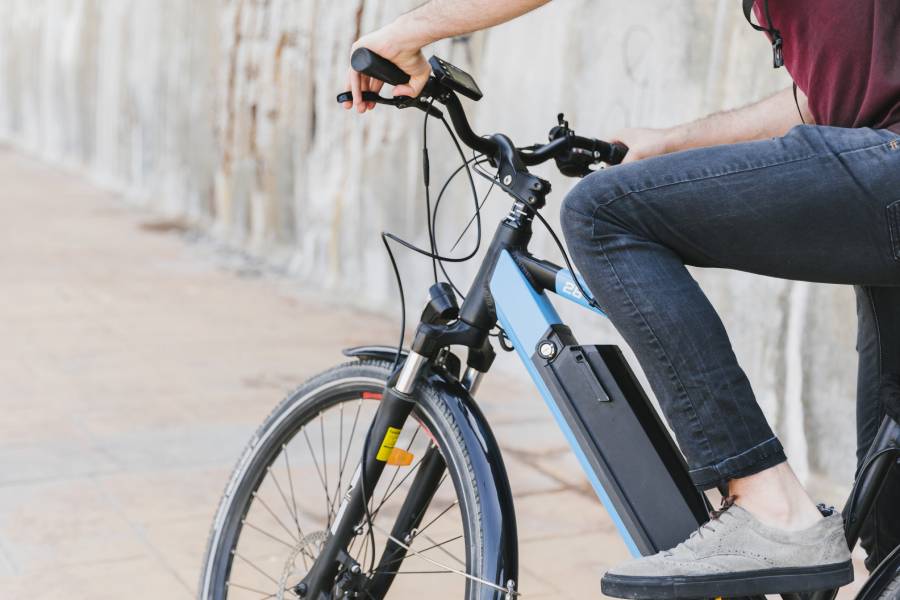
Electric bikes are usually better for long-distance rides if comfort and arriving fresh matter most to you. Fatigue gets reduced by roughly 40-60% on hills and headwinds; however, regular bikes offer unlimited range and a more traditional cycling experience. Which works best is often determined by your fitness level and route terrain.
Understanding Long-Distance Riding Needs
Different things are meant by long-distance cycling to different people. Some consider 25 miles long; others think in terms of century rides or multi-day tours. Which bike type makes sense gets shaped by your definition. E-bikes excel when you want to maintain a steady pace without getting completely wiped out. Regular bikes work better if the physical challenge is part of the goal. Most Cambridge, Ontario riders we talk with fall somewhere in the middle, from what we’ve seen. They want to enjoy longer rides without feeling like they need a recovery day afterward.
Motor Assistance vs. Pure Pedal Power
Power gets provided by electric bikes when you need it most. Hills become manageable; headwinds don’t ruin your day. The motor assistance gets calibrated to your effort level, so you’re still working but not struggling. Everything from your legs and lungs is demanded by regular bikes. A more intense workout gets created but can leave you exhausted on longer routes. Some riders prefer earning every mile through their own power. Others appreciate arriving at their destination feeling good enough to enjoy it. Interesting how personal that preference becomes.
Range and Planning Considerations
How you plan e-bike trips gets shaped by battery range. 25-50 miles of assistance are provided by most quality electric bicycles, depending on terrain and how much help you use. After that, you’re pedaling a heavier bike without motor support. This limitation doesn’t exist with regular bikes. You can ride as far as your fitness and time allow; however, you need to pace yourself more carefully and plan rest stops around your energy levels rather than battery levels.
Comfort and Endurance Factors
The physical strain that builds up over long distances gets reduced by e-bikes. Less stress is experienced by your knees, back, and shoulders when the motor helps with acceleration and climbing. This matters more as rides extend beyond your usual comfort zone. All the work must be handled by your body with traditional bikes, which builds fitness but can create fatigue that cuts rides short. The “effortless ride” experience of e-bikes lets many people discover they actually enjoy longer distances than they thought possible.
Terrain and Weather Impact
Both bike types are affected differently by hills and headwinds. These challenges get smoothed out by e-bikes, maintaining consistent speed and effort regardless of conditions. Routes that might be too demanding on a regular bike can be tackled. Strategy and pacing for challenging terrain are required by traditional bikes. The tactical aspect of managing their energy across varied landscapes is loved by some riders. Others find it limits where they’re willing to explore. Less of a factor becomes weather when you have motor assistance to help push through tough conditions.
Cost and Practical Considerations
Less upfront cost and lower ongoing expenses are offered by regular bikes. No battery replacement, no electrical components to service. A bigger initial investment and eventual battery replacement after 2-4 years of regular use are required by e-bikes. But car trips often get replaced and your riding range expands significantly. For commuters and recreational riders around Cambridge, the convenience factor often justifies the extra cost. Whether the benefits match your riding goals and budget becomes the question.
Making Your Choice
Your priorities and riding style determine the right bike. An e-bike should be chosen if you want to ride farther with less fatigue, tackle challenging routes comfortably, or need to arrive at destinations feeling fresh. A regular bike should be picked if you prefer the full workout experience, want unlimited range, or value mechanical simplicity. Both types for different purposes end up being owned by many riders, to be fair. Your perfect e-bike awaits when you’re ready to explore with ease and discover what longer, more comfortable rides can offer.
Mini-FAQ:
Q: Do electric bikes make long rides too easy?
Look, this depends on what you’re after. Pedaling and effort are still required with e-bikes, but the motor assistance gets distributed across hills and headwinds. Many riders find they actually go farther because they’re not completely drained. That still surprises people.
Q: How far can you realistically ride on each type?
As far as your legs and planning allow is how regular bikes can go. Some cyclists tour hundreds of miles daily. Battery range typically limits e-bikes, usually 25-50 miles depending on assist level and terrain. Not exactly apples to apples.
Q: Which is better for fitness goals?
Fair point to consider both sides. A full-body workout and higher calorie burn are provided by traditional bikes. But longer, more frequent rides are encouraged by e-bikes. The motor assistance can be adjusted or turned off entirely when you want more challenge.
Q: What about maintenance on long trips?
Regular bikes win on simplicity. Fewer potential failures mean fewer components. Battery management is needed for e-bikes and more complex electrical systems that could need attention. Depends on your mechanical comfort level.