
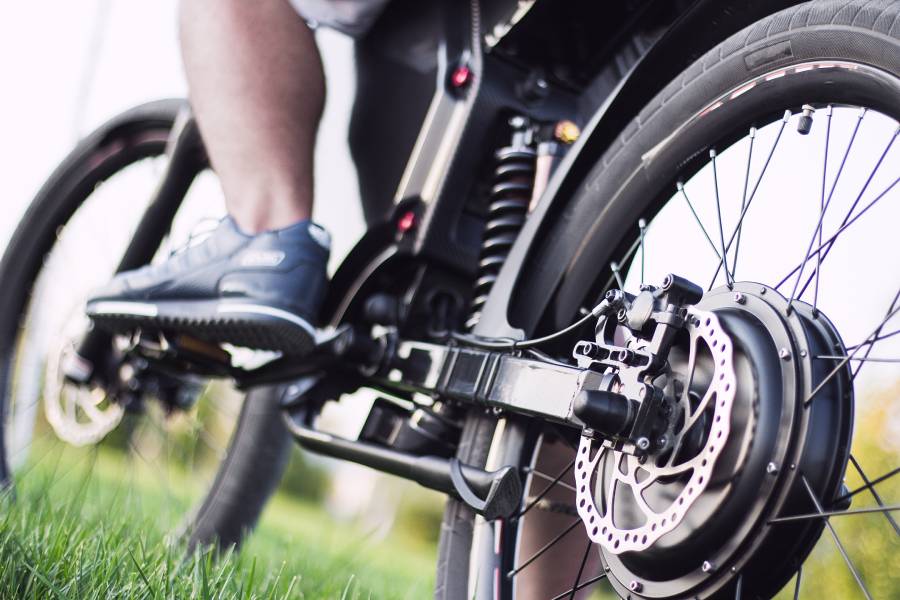
An electric bike purchase in Ontario should begin with identifying your primary use case, whether commuting, recreation, or fitness; battery range, motor specifications, and frame design can then be compared across established retailers. Quality e-bikes are typically priced between $1,200-$3,500, though warranty terms and local service availability should be verified before any purchase is completed.
Fast Facts:
- E-bike sales in Ontario were increased by 78% during 2023, with 42% of total sales being represented by online purchases
- Delivery times for e-bikes across Ontario are averaged between 5-14 business days
- Basic assembly of 30-60 minutes is required by most e-bikes upon arrival
- Single-charge battery range typically spans 40-80 kilometers
- E-bikes up to 500 watts with pedal assistance are allowed by provincial regulations
Understanding Your E-Bike Needs
Time should be spent considering actual bike usage before online catalogs are explored. Different features are typically needed by Cambridge commuters compared to weekend trail riders; reliable battery life and comfortable seating are required for daily commuting. Lighter weight and better suspension are often prioritized by recreation riders. As it turns out, purchases are frequently made based on appearance first, then spec mismatches with riding routines are realized later.
Your typical ride distance deserves consideration too. 40-60 kilometers per charge are handled by most e-bikes, though this capacity drops significantly during cold Ontario winters. Battery performance can be decreased by 20-30% when freezing temperatures are reached.
Comparing Key Specifications Online
Most of your riding experience is driven by motor power and battery capacity. Motors range from 250 watts, which provides minimal assistance, to 500 watts for strong hill climbing capability. Battery capacity is measured in watt-hours; 400-600Wh represents the sweet spot for most riders.
Frame style matters more than is realized by most people. Business clothes and daily commuting are better served by step-through frames. Better power transfer for fitness riding is offered by traditional diamond frames. Weight varies dramatically between models; basic commuter bikes weigh around 35 pounds while cargo e-bikes can exceed 65 pounds. That weight difference becomes obvious when stairs must be climbed.
Researching Reputable Online Retailers
Several established e-bike retailers with strong online presence can be found in Ontario. Companies should be sought that offer detailed product descriptions, multiple photos, and clear return policies. Customer reviews help, though comments about delivery, assembly, and after-sales support should be focused on rather than just riding impressions.
Virtual consultations or phone support are offered by many retailers to help narrow down options. This proves especially valuable for first-time e-bike buyers; some companies provide size charts and fit guides, though an actual test ride cannot be replaced when possible.
Checking Warranty and Service Options
Warranty coverage is varied significantly between brands and retailers. 1-2 years on electrical components and frames are included by most quality e-bikes. Battery warranties typically run 1 year or 500 charge cycles, whichever comes first.
Service availability across Ontario can be patchy for some brands; authorized repair shops in your area should be asked about specifically. Warranty work is handled through local bike shops by some retailers, while shipping back to their facility is required by others. This becomes important when quick repairs are needed during riding season.
Understanding Delivery and Assembly
E-bikes are shipped by most retailers via freight carrier; someone must be home for delivery. Packages typically weigh 50-70 pounds and arrive in large boxes. Delivery times depend on your location, with faster service being seen by urban areas like Toronto and Ottawa compared to rural regions.
Assembly requirements are usually straightforward, but patience is required. The front wheel will be installed by you, handlebars attached, and pedals and accessories mounted. Local assembly services are offered by some retailers for an additional fee; basic tools come included, though your own bike tools make the process smoother.
Making Your Final Decision
Once options have been narrowed down by you, the return policy and any restocking fees should be double-checked. 30-day return windows are offered by many retailers, though return shipping costs will be paid by you. Restocking fees of 10-15% are charged by some for returned bikes.
Payment options vary; financing through third-party providers is offered by many retailers. The terms should be read carefully, as higher interest rates than traditional loans can be encountered. For those ready to find their perfect e-bike, I suppose local options can be explored and expert guidance obtained to make the whole process much easier.
Mini-FAQ:
Q: What’s the most important spec to check when buying online?
Daily use is best served by adequate battery capacity. At least 400Wh should be sought if commuting distances exceed 20 kilometers. Range estimates are often provided under ideal conditions. That still surprises people.
Q: Do I need special insurance for an e-bike in Ontario?
Fair point to ask. Separate insurance or licensing isn’t required by e-bikes under 500 watts. Theft coverage might be provided by your home insurance. Worth checking though.
Q: How much assembly is required when it arrives?
85% assembly is typically completed before most e-bikes arrive. The front wheel, handlebars, and pedals will usually be installed by you. Basic tools are usually included. Not too complicated.
Q: What if something breaks after I buy online?
Look, warranty coverage varies widely between brands. Local service networks across Ontario are offered by some. Shipping back to the retailer is required by others. Check this before buying.