
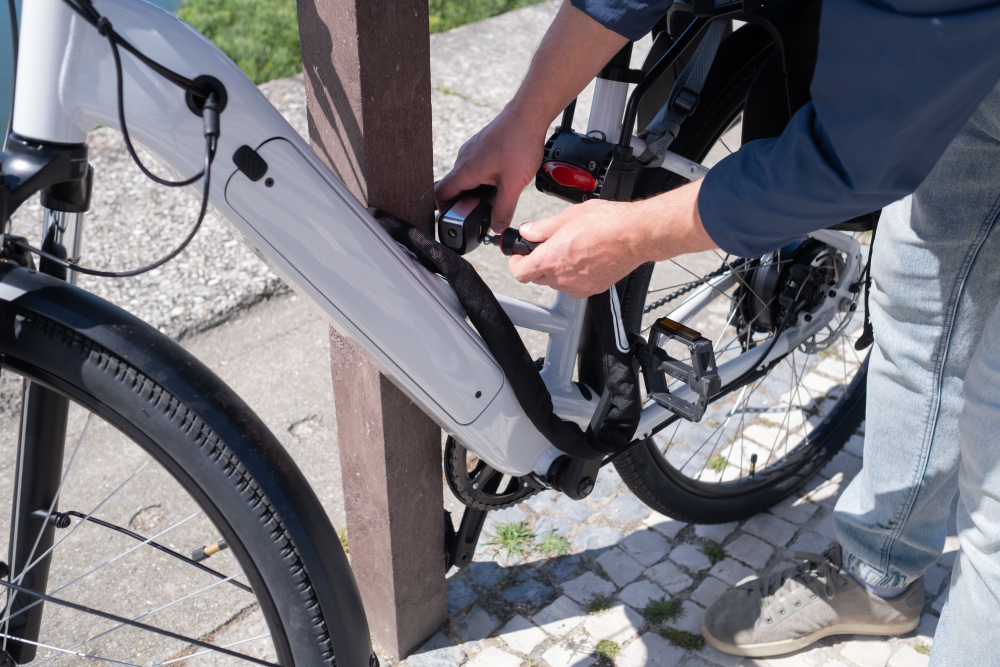
An e-bike should be chosen by testing seat comfort, handlebar position, and overall frame fit during longer test rides; comfort issues that quick demos miss are usually revealed in 15-20 minutes. Adjustable components should be looked for, along with quality suspension if rough surfaces will be ridden, and a motor that provides smooth assistance rather than jerky power bursts.
Fast Facts:
- Strain is reduced by 40% with step-through frames compared to traditional diamond frames for daily commuters
- 80% of your weight should be supported by quality e-bike saddles through sit bones, not soft tissue
- Better balance and handling are provided by mid-drive motors than rear hub motors for comfort
- 60-70% of road vibrations can be absorbed by suspension seat posts on urban rides
- 26-28 inch wheels are found on most comfortable e-bikes for stability and shock absorption
Start With Your Riding Position
Everything about your comfort level is shaped by frame geometry. Easy mounting and dismounting are wanted by commuters who find step-through designs work well. A sportier feel is preferred by riders who suit traditional frames. The handlebars should fall naturally within reach; your back or shoulders shouldn’t be stretched. Upright positions are found by many Cambridge riders to reduce strain during longer commutes through the city.
Saddle Selection Makes or Breaks Daily Rides
Most of your weight is carried by your seat, so quality matters here. More comfort isn’t always provided by wider saddles; what counts is proper sit bone support. Memory foam feels nice initially but pressure points can be created over time. Short rides are helped by gel inserts but numbness may be caused on longer trips. Different saddle styles should be tested during your demo rides.
Motor Placement Affects Balance and Feel
Natural power delivery is provided by mid-drive motors that sit near the pedals. Comfort is usually preferred with these because the weight stays centered. The bike can be made to feel back-heavy by rear hub motors, especially when hills are climbed. Less common are front hub motors but an odd pulling sensation can be created. The motor should feel like your pedaling is being helped, not completely taken over.
Suspension Systems Smooth Out Rough Roads
Most urban riding conditions are handled by basic front suspension. More is cost by full suspension but it pays off if rough terrain is tackled regularly. A middle ground is offered by suspension seat posts for riders who want some shock absorption without the complexity. According to available data, front suspension is found adequate for their needs by most recreational riders in Ontario.
Battery Range Meets Real-World Comfort
Less range anxiety is meant by longer battery life, which reduces stress during rides. About 20-30 miles of range should be planned for in normal conditions with moderate assistance. That can be cut by 20-30% by cold weather during Ontario winters. Charging is made easier by removable batteries if you live in an apartment or condo. The battery should mount securely; rattling or shifting during rides shouldn’t occur.
Test Multiple Models Before Deciding
Different feels are had by different brands, even with similar specs. What works for your neighbor might not work for you. Various frame styles, motor types, and feature combinations should be tried. Extended test periods or rental programs are offered by many shops in Cambridge. These options should be taken advantage of when possible.
Maintenance and Long-Term Reliability
Less maintenance over time is typically needed by simple designs. Bikes with standard components that can be serviced easily by local shops should be looked for. Regular cleaning is required by chain drives but most mechanics are familiar with them. Cleaner staying is done by belt drives, but specialized tools are needed for repairs. Several years of reliable service should be provided by quality e-bikes with basic upkeep.
Making Your Final Choice
Your gut feeling after test rides should be trusted, but practical factors like local service support and parts availability should also be considered. The most comfortable bike is one that encourages you to ride regularly. Features that seemed important in the showroom might matter less after a few months of actual use. Your perfect e-bike awaits; our website should be visited to explore options that match your comfort and reliability needs.
Mini-FAQ:
Q: What’s the most important comfort feature on an e-bike? Seat position matters more than most people realize. Your entire riding posture is affected by saddle height and angle. Poor positioning gets amplified over longer rides. That still surprises people.
Q: How do I know if the frame size is right? Stand over the bike with both feet flat on the ground. 1-2 inches of clearance should be available to you. The handlebars should be reached by your arms without stretching or hunching. Different positions should be tested.
Q: What about suspension – do I really need it? Look, it depends on your routes. Full suspension probably isn’t needed for smooth bike paths. But if potholes or gravel are hit regularly by you, even basic suspension forks help. Most riders find front suspension is usually enough.
Q: How long should I test ride before buying? 5-minute demos are only offered by most shops. At least 15-20 minutes should be pushed for if possible. Comfort issues show up after the initial excitement wears off. Time is needed by your body to adjust and give feedback.