
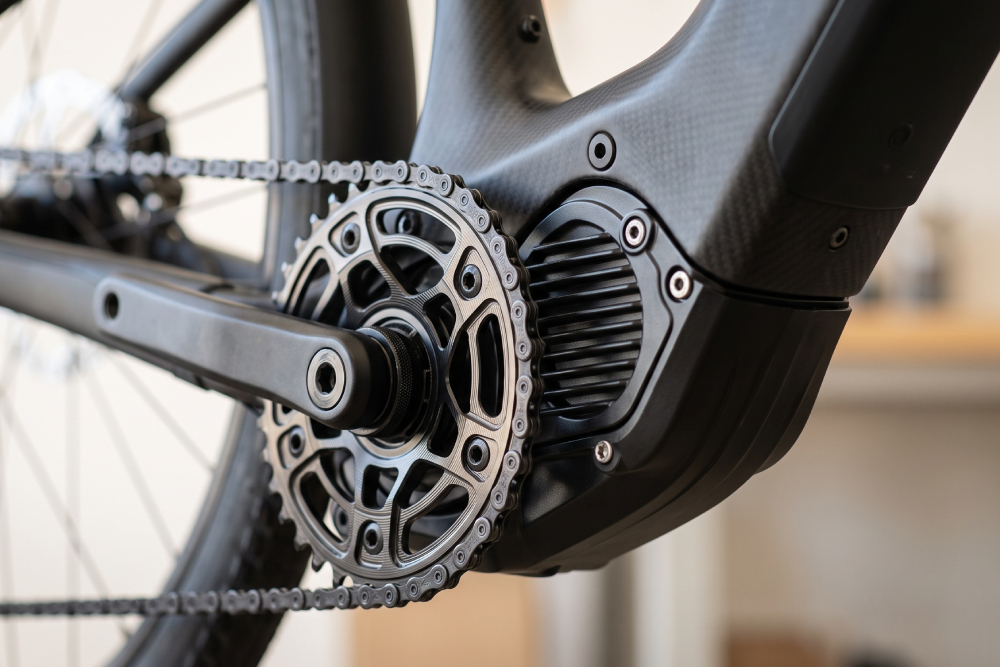
A mid-drive motor (250-500W) matched with a 400-600Wh battery and assist level 2-3 is usually where effortless e-bike rides begin. Smooth power delivery, decent range, and natural pedaling feel are provided by this combination; their perfect balance gets found by most riders within the first few rides.
Fast Facts
- 25% better hill climbing is offered by mid-drive motors than hub motors of similar wattage
- 30-60 miles of range gets typically provided by a 500Wh battery depending on assist level
- The best effort-to-speed ratio is given to most commuters by level 3 assist (out of 5)
- 3x faster response is delivered by torque sensors than cadence sensors for smoother acceleration
- 500W or less is chosen by 85% of e-bike buyers in Ontario for daily commuting
Understanding Motor Types and Power
Your entire riding experience gets shaped by motor choice, oddly enough. In your front or rear wheel, hub motors mount directly. Simple and quiet, they work well for flat terrain. To your pedal system, mid-drive motors connect and use your bike’s gears. More like riding a regular bike is how this setup feels, just with extra strength.
Power ratings can mislead you, to be fair. A 500W hub motor on hills often gets outperformed by a well-tuned 350W mid-drive. Torque delivery and gear multiplication is where the difference comes from. Plus, better weight balance is provided by mid-drives, which matters during longer rides around Cambridge.
Battery Capacity and Range Planning
In watt-hours (Wh), battery size gets measured. Like your gas tank, think of it that way. Roughly 25-40 miles of range gets provided by a 400Wh battery, depending on assist level and terrain. That range gets stretched to 40-60 miles by a 600Wh battery under similar conditions.
New e-bike owners get affected by range anxiety more than they should. Under 20 miles roundtrip is where most commutes in Ontario fall. This gets handled easily by a mid-sized battery, even with moderate assist levels. By 10-15%, cold weather does reduce capacity, but proper planning makes that manageable. Interesting how that works.
Assist Levels Explained
3-5 assist levels are offered by most e-bikes. Gentle support gets provided by level 1, perfect for fitness rides or extending your workout. The best balance for commuting is typically offered by level 3. Maximum power for hills or when you’re running late gets delivered by level 5.
Matching assist to your goals is the key. Level 2 might be used most days by a student biking to campus, bumping to level 4 when carrying a heavy backpack. With level 1, an outdoor enthusiast exploring trails might start and adjust based on terrain. The right combination is what your perfect e-bike awaits.
Torque vs Cadence Sensors
How your motor responds to pedaling gets affected by sensor type. When you’re pedaling, cadence sensors detect this and provide steady power. Fine, they work, but a bit robotic they can feel. How hard you’re pushing the pedals gets measured by torque sensors; power gets adjusted accordingly.
That effortless ride feeling most people want gets created by torque sensors. When you need more power, they respond instantly and back off when you ease up. Natural is how the result feels, like having stronger legs rather than riding a motorized bike.
Finding Your Sweet Spot
A few rides are what getting comfortable with your e-bike takes. With lower assist levels, start and work up. How different settings affect your pedaling effort and battery consumption should be paid attention to. Based on their routes and fitness goals, preferences get developed by most riders.
Which settings work best gets influenced by weather, cargo, and energy levels. From level 2 to level 4, a headwind might bump you. More assistance than your usual commute is what a heavy grocery run calls for. This flexibility is the beauty of modern e-bikes.
Making the Right Choice for You
Where and how you’ll ride is what your ideal setup depends on. Mid-drive motors with 400-500Wh batteries are often preferred by commuters in Cambridge. Urban hills get handled by the combination; reliable range for daily trips gets provided. For their simplicity and lower maintenance needs, hub motors might be chosen by recreational riders.
More than specifications ever could gets revealed by test rides. How different motors respond should be felt. How assist levels change your effort should be noticed. An extension of yourself rather than a machine you’re fighting is what a comfortable and reliable e-bike becomes. Options that match your riding style and local terrain can be explored by visiting our website.
Mini-FAQ
Q: What’s the difference between hub and mid-drive motors? In the wheel, hub motors sit and push you forward directly. Through your bike’s gears, mid-drive motors work, which feels more natural. Hills get handled better by mid-drives. That smooth performance most riders prefer is what you get.
Q: Should I get the biggest battery possible? Fair point, though bigger isn’t always better. Most daily needs get covered by a 400-500Wh battery without adding too much weight. That sweet spot between range and handling will probably be found to matter more than maximum capacity.
Q: How do I know which assist level to use? Look, your route and energy level determine this. Fitness rides call for level 1; commuting works with level 3; hills or headwinds need level 5. Level 2-3 is where most people settle for regular use.
Q: Can I change assist levels while riding? Absolutely. On the fly adjustments are allowed by modern e-bikes with handlebar controls. Between levels, you can switch as conditions change. Stopping or pausing pedaling isn’t needed.