
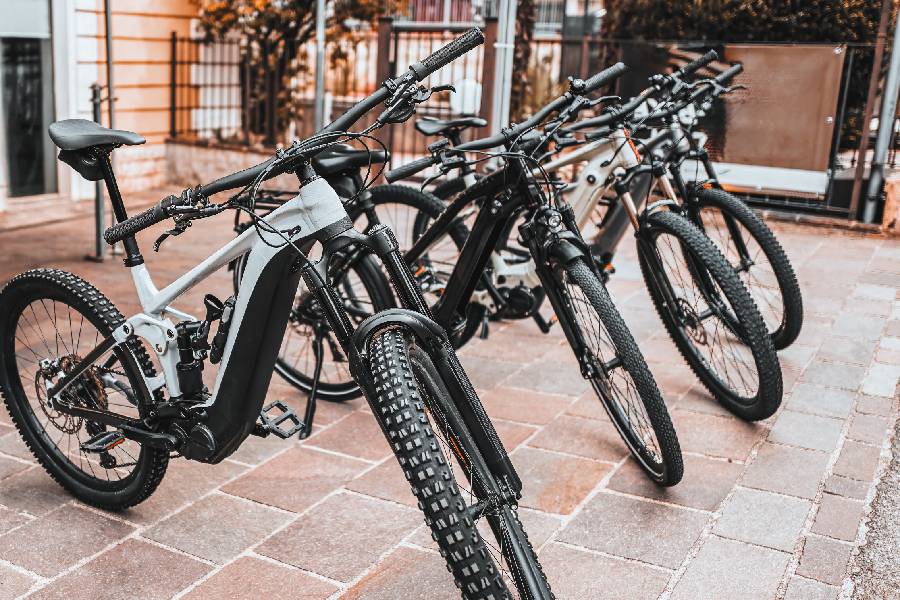
Easier handling and portability are offered by lightweight e-bikes (35-45 lbs), making them ideal for commuting and casual rides; better stability, cargo capacity, and durability for demanding use are provided by heavy-duty models (55-75 lbs). Whether you prioritize convenience or performance usually determines your choice… and excellent comfort can be delivered by both with proper setup.
Fast Facts
- Lightweight e-bikes typically range from 35-45 pounds, while heavy-duty models weigh 55-75 pounds
- Battery capacity influences range more than bike weight, with 25-60 miles per charge being offered by most quality e-bikes
- 300+ pounds of rider and cargo weight can be supported by heavy-duty frames
- Simpler components often make lightweight models cost 15-25% less
- Seat quality, handlebar position, and suspension affect comfort more than total bike weight
Understanding the Weight Categories
Weight classes divide the e-bike world for good reason. Between 35-45 pounds, lightweight models usually fall, while 55-75 pounds or more is where heavy-duty versions range. These numbers don’t tell the whole story though.
How a bike feels gets affected more by weight distribution than total pounds. Lighter than a poorly designed 40-pound model, a well-balanced 60-pound bike can feel. Plus, motor placement changes everything. Better balance is created by mid-drive motors, while the back end can be made to feel heavy by rear hub motors.
Comfort Factors Beyond Weight
Things get interesting here, I suppose. Multiple factors that have little to do with bike weight determine comfort.
A huge difference gets made by seat quality. Every time, a cheap seat on a lightweight model gets beaten by a good saddle on a heavier bike. Handlebar position matters too; longer rides are found more comfortable with the upright position on heavier bikes by some riders, while the sportier feel of lightweight models is preferred by others.
A role gets played by suspension as well. Front suspension or even full suspension systems are included with many heavy-duty e-bikes. Suspension often gets skipped by lightweight bikes to save weight, but rough surfaces can mean a bumpier ride.
Durability Considerations
Like tanks, heavy-duty e-bikes are built for good reason. Thicker aluminum or steel frames, stronger wheels, and more robust components are used by them. Cargo loads, rough terrain, and daily abuse get handled by this construction.
Her heavy-duty e-bike has handled two years of winter riding without major issues, a Cambridge commuter recently told us. Salt, snow, and daily use have been well handled by the thicker frame and quality components.
Durable lightweight bikes can be found too, but they’re optimized differently. Lighter materials and more precise engineering are used by them. Just as long, they last when treated well. Heavy cargo or extreme conditions aren’t what they’re designed for though.
Performance Differences
An interesting story gets told by acceleration. More responsive and zippy around town, lightweight e-bikes often feel. The motor doesn’t work as hard to get you moving when there’s less weight.
Different advantages are provided by heavy-duty models. More stable at higher speeds, they feel and handle crosswinds better. Traction on loose surfaces or steep climbs can actually be improved by the extra weight.
More by capacity than bike weight, battery performance varies. Similar range numbers can be achieved by both categories with proper battery sizing. However, slightly faster battery drain might be experienced by heavier bikes due to increased rolling resistance.
Practical Use Cases
The choice gets clarified by daily commuting scenarios. If stairs require carrying your bike, small apartment storage is needed, or transit loading is necessary, lightweight wins easily.
Heavy-duty models make more sense for longer commutes with cargo needs. Panniers, child seats, and grocery runs are handled without breaking a sweat by them. When you’re loaded down with gear, the extra stability helps.
Making Your Decision
Your specific situation should be considered carefully. Lightweight models are often preferred by urban professionals for their versatility and ease of handling. Heavy-duty bikes might be leaned toward by outdoor enthusiasts for their capability and comfort on longer rides.
Tremendously, test riding both types helps. From person to person, what feels comfortable varies. The solid feel of heavier bikes is loved by some riders, while the nimble handling of lightweight models is preferred by others. Your perfect e-bike awaits, and visiting our website to explore your options is the best way to find it.
Mini-FAQ
Q: Do heavier e-bikes ride more comfortably? Not necessarily. Proper fit, quality components, and suspension design determine comfort. Good ergonomics in a well-designed lightweight bike often feel more comfortable than poor setup on a heavy bike. Total weight matters less than weight distribution.
Q: What’s the durability difference between lightweight and heavy-duty e-bikes? Thicker frames and stronger components are used in heavy-duty models, making rough terrain and heavy loads better handled by them. Quite durable lightweight bikes can be found too, but different use cases are what they’re optimized for. Both categories benefit from quality construction.
Q: Can lightweight e-bikes handle hills as well as heavy ones? Fair point to ask. Hill performance gets determined more by motor power and battery capacity than bike weight. Better climbing is actually achieved by many lightweight e-bikes because less mass needs to be moved upward. More stability on descents might be felt with heavier bikes though.
Q: Which type works better for daily commuting? Look, your specific commute determines this. Shorter distances, apartment storage, and public transit connections are where lightweight bikes excel. Work gear, groceries, or longer distances are better handled by heavy-duty models. That still surprises people.