
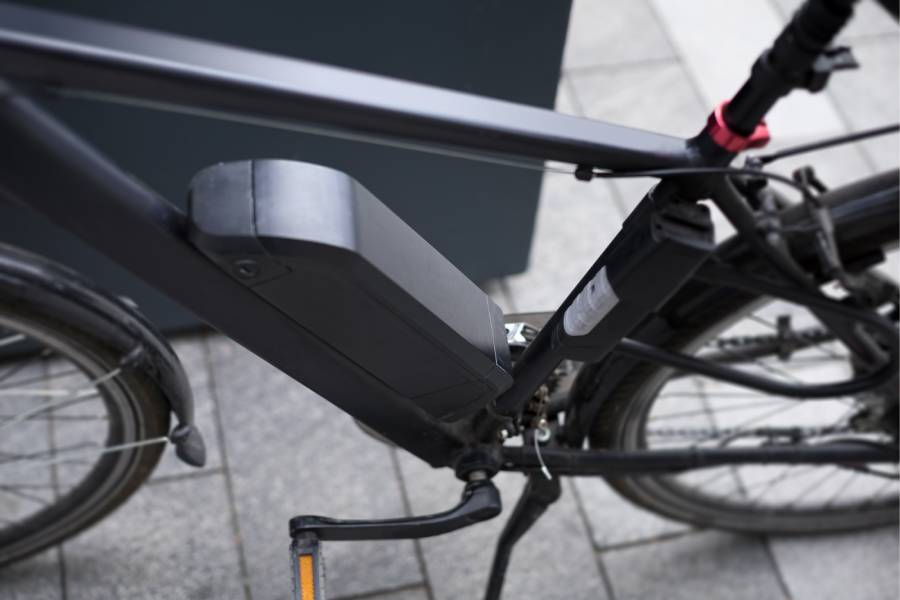
For daily use, roughly 25-50 miles of range is needed by most riders, which makes short-range e-bikes sufficient for commuting and leisure rides; however, peace of mind and flexibility for longer adventures are offered by long-range models. Based on your actual riding patterns, not maximum theoretical distance, your perfect e-bike awaits.
Fast Facts
- Short-range e-bikes (20-40 miles) cost $800-2,500 less than long-range models
- 73% of e-bike trips are under 15 miles according to recent usage data
- Long-range batteries (60-100 miles) typically weigh 2-4 pounds more
- Cambridge, Ontario commuters average 12 miles per day on e-bikes
- Battery replacement costs range from $400-800 depending on capacity
Understanding Your Real Range Needs
New e-bike riders are affected by battery anxiety more than seasoned ones. Maximum range is thought to be needed by most people, but a different story is told by daily riding patterns. Typically, a Cambridge commuter rides 6-8 miles to work; local shopping happens on weekends, and occasional leisure rides are taken.
These needs are covered comfortably by short-range e-bikes. Plus, extra weight isn’t being carried, and unused capacity isn’t being paid for. Between 25-35 miles of range, the sweet spot for urban riding usually falls.
Short-Range E-Bikes: The Practical Choice
20-40 miles per charge are typically offered by these models, and they cost significantly less. They’re lighter, more agile; tight spaces are handled with greater ease. For daily commuting, urban professionals find them perfect.
Overnight, battery charging happens, so an issue is rarely created by range. Charging routines are developed quickly by most riders. To students and budget-conscious buyers, accessibility is provided by the lower price point. Interesting how that works.
Long-Range Models: When Distance Matters
For specific use cases, long-range e-bikes shine. By outdoor enthusiasts exploring trails beyond Cambridge, the extra capacity is appreciated. From extended range, commuters with longer routes or limited charging options benefit.
$1,000-2,500 more than short-range alternatives is typically what these bikes cost. If 40+ miles are regularly ridden or maximum flexibility is wanted, the investment makes sense. Battery technology continues improving; more appealing long-range options are being made.
Real-World Factors That Affect Range
Battery life is dramatically impacted by hills, headwinds, and rider weight. In Ontario winters, capacity is reduced by cold weather by 15-20%. Assist levels matter too; batteries are drained faster by high power modes.
Efficiency is influenced by tire pressure, bike maintenance, and riding style. By 10-15%, range can be extended by a well-maintained e-bike with proper tire pressure. Based on conditions, habits are learned to be adjusted by most riders. Sometimes, anyway.
Making the Right Choice for Your Lifestyle
Your typical rides should be considered, not your longest possible trip. Most Cambridge riders are suited perfectly by short-range models. For daily needs, reliable performance is offered without unnecessary complexity.
For adventure seekers or riders with specific distance requirements, long-range batteries make sense. If range limits are regularly pushed, the extra cost becomes worthwhile. Either way, when battery capacity is matched to actual riding habits, your perfect e-bike awaits. To explore options that fit your lifestyle, visit our website.
Mini-FAQ
Q: How far can I actually ride on a single charge? Your weight, terrain, and assist level determine real-world range. Daily commutes are handled easily by most short-range e-bikes. Battery performance is also affected by weather. That still surprises people.
Q: Do I need a long-range battery for weekend rides? Look, it depends where you’re riding. More than 30 miles of range is rarely required by recreational trails around Cambridge. All-day adventures are where long-range models shine.
Q: What happens if my battery dies mid-ride? Fair point. Like a regular bike, an e-bike can still be pedaled, though it feels heavier. Charging stops are planned by most riders, or a spare battery is carried for longer trips.
Q: How much does battery size affect the bike’s weight? Funny enough, significant weight is added to your ride by larger batteries. More nimble handling and easier upstairs carrying are provided by short-range models. On hills, the difference becomes noticeable.