
More comfort for casual riding and commuting is usually offered by step-through e-bikes, with easier mounting and a more upright position being provided. Better performance and handling are often delivered by traditional frames; however, your flexibility and riding style are what comfort depends on. For most daily commuters, convenience is where step-through designs win.
Fast Facts:
- Leg lift is reduced by 12-18 inches with step-through frames compared to traditional designs
- Step-through models are chosen by 73% of commuter e-bike buyers over age 45
- 2-4 pounds less weight is typically carried by traditional frames than step-through equivalents
- Back strain is reduced by roughly 30% during 30+ minute rides with upright riding position
- Better compatibility with skirts, dresses, and business attire is provided by step-through e-bikes
Frame Design Makes All the Difference
That top tube is where the fundamental difference between these e-bike styles comes down to. It’s either eliminated completely or positioned much lower than traditional diamond frames by step-through frames. This isn’t just about looks; how you interact with the bike every single day is changed by it.
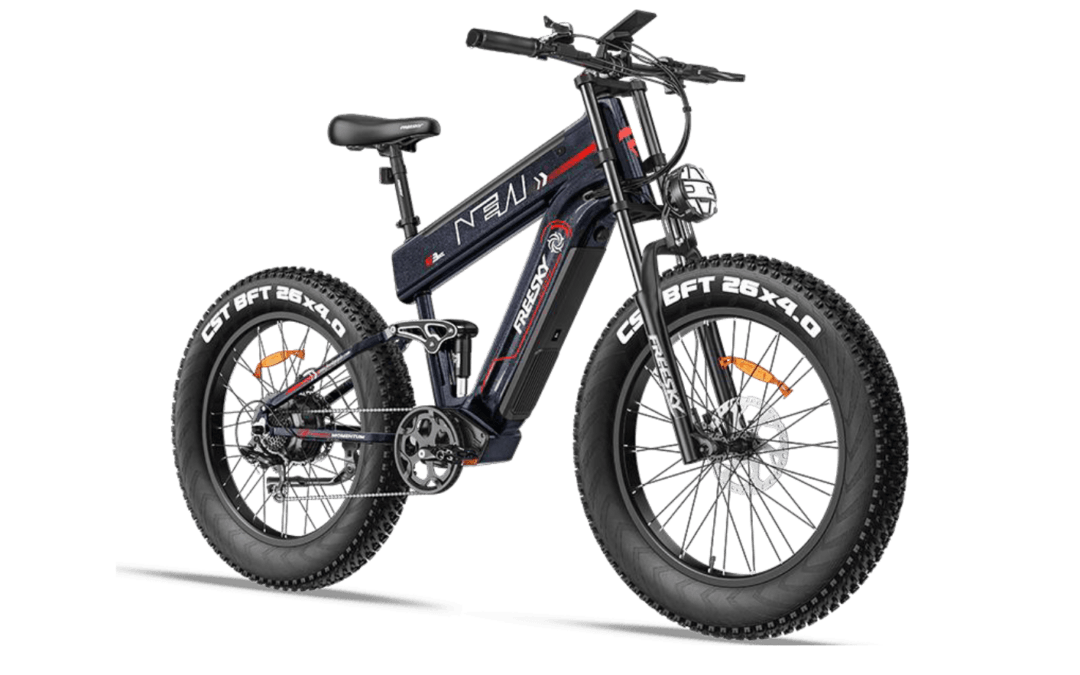
The classic diamond shape that’s been around for over a century is used by traditional frames. The seat post to the handlebars is connected by the top tube, creating a triangle that’s incredibly strong and efficient. But a barrier you need to swing your leg over every time you mount is also created by it.
Mounting and Dismounting: The Daily Reality
Step-through bikes really shine here. The frame opening can be stepped through and you can settle onto the seat without any leg gymnastics. For commuters in Cambridge wearing business clothes, this is huge. Awkward leg swings in dress pants or skirts are no longer needed.
A step-through was chosen by one of our customers specifically because she commutes in professional attire. “I can get on and off gracefully at traffic lights,” she said. More flexibility is required by traditional frames, and they can be challenging if you’re carrying a bag or wearing restrictive clothing.
Riding Position and Comfort Factors
A more upright riding position is typically what step-through e-bikes put you in. Your back stays straighter; less weight is placed on your hands and wrists. Casual riding and short to medium commutes are served well by this geometry.
You’re often leaned forward slightly by traditional frames, which can be more aerodynamic and efficient for longer distances. Your core muscles are engaged more by the position and it can feel more “sporty.” This active posture is preferred by some riders, especially for fitness-focused rides.
The differences become more noticeable after about 30 minutes of riding. Fatigue for many riders is reduced by the upright position of step-through bikes.
Performance and Handling Differences
Generally stiffer and more responsive are traditional diamond frames. Forces are distributed more efficiently by the triangular structure, which translates to better power transfer when you’re pedaling hard. For recreational e-bike riders, this difference is usually pretty subtle.
Step-through frames have improved significantly in recent years. Reinforced joints and strategic tube placement are used by modern designs to maintain structural integrity. The performance gap has narrowed considerably, though a slight edge for aggressive riding is still held by traditional frames.
Plus, maximum performance isn’t what most e-bike riding is about anyway. Getting places comfortably and efficiently is what it’s about.
Weight and Practical Considerations
Typically lighter are traditional frames because less material and simpler construction are used by them. The weight difference ranges from 2-4 pounds in most cases. For e-bikes that already weigh 45-65 pounds, a deciding factor isn’t usually what this is.
Accessories are often accommodated better by step-through designs. Baskets, child seats, or cargo attachments are made easier to add by the open frame. Loaded bikes can actually be made to feel more stable by the lower center of gravity.
Similar on both styles is battery placement, though the battery into the lower frame tube is integrated more elegantly by some step-through models.
Which Style Fits Your Needs
Your daily routine and physical comfort should be considered first. If work clothes are what you’re commuting in, mobility limitations are being dealt with, or ease of use is being prioritized, more sense is usually made by step-through bikes. Most urban riding is fitted perfectly by the comfortable and reliable design.
Traditional frames work well if a sportier feel is wanted, longer recreational rides are planned, or the classic bike aesthetic is preferred. Slightly more efficient for fitness-focused riding are they also.
Step-through e-bikes are found ideal for their daily commutes and errands by many riders in Cambridge. Any minor performance differences are often outweighed by the convenience factor. Your perfect e-bike awaits, and the right style for your needs is what we’re here to help you find. Both frame options can be explored by visiting our website to find your ideal match.
Mini-FAQ:
Q: Are step-through e-bikes less stable than traditional frames? Not really. Just as much stability as traditional frames is engineered into modern step-through designs. Balance for some riders can actually be improved by the lower center of gravity. That still surprises people.
Q: Do traditional e-bike frames offer better performance? Look, power is transferred more efficiently by traditional diamond frames, and aggressive riding is handled better by them. They’re built for performance. But for commuting and leisure rides, I suppose the difference is pretty minimal.
Q: Which style is better for older riders? Riders over 50 or anyone with mobility concerns are typically recommended step-through models. Getting on and off is much easier. Joint stress is also reduced by the upright position.
Q: Can you get the same motor power in both frame styles? Fair point. The same motor systems and battery capacities can be accommodated by both frame types. Geometry is where performance differences come from, not power limitations.