
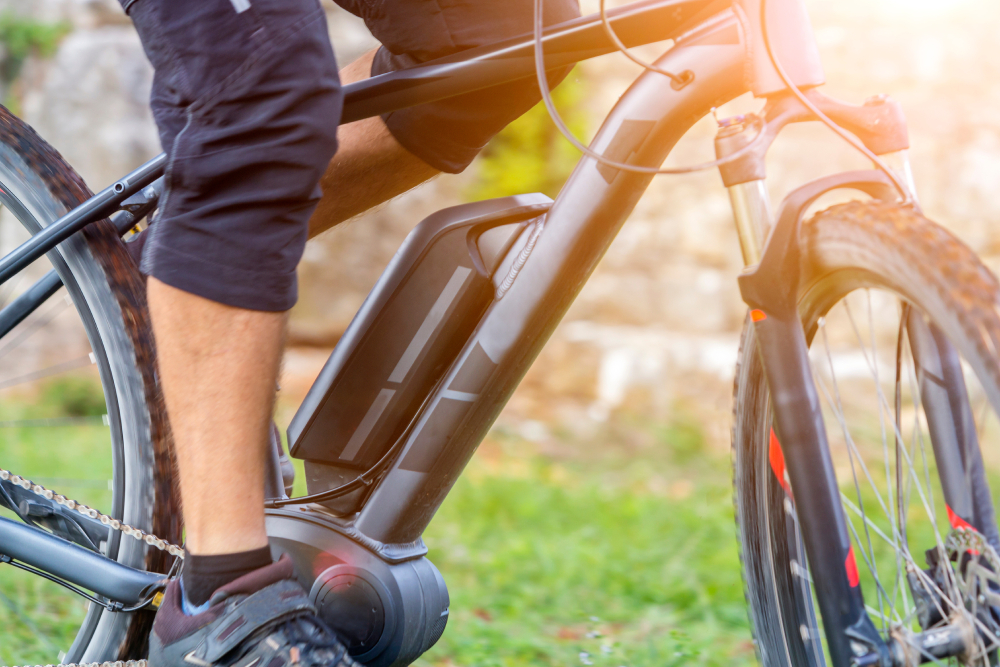
Daily carbon footprints are typically reduced by 80-90% when e-bikes are used for commuting compared to cars, since minimal electricity is consumed and zero direct emissions are produced. About 0.1 kWh per mile is consumed by a standard e-bike; meanwhile, roughly 1 pound of CO2 per mile driven is produced by the average car.
Fast Facts
- 95% fewer emissions are produced by e-bikes than cars over their lifetime
- About the same energy as running a microwave for 6 minutes is used by a 10-mile e-bike commute
- Up to 40% of short car trips can be replaced by electric bicycles in Cambridge
- Only 15% of an e-bike’s total environmental impact is accounted for by battery production
- Approximately 2,400 pounds of CO2 annually can be prevented by one e-bike
The Numbers Behind E-Bike Emissions
When the data is examined, transportation choices add up quickly. About 4.6 metric tons of CO2 annually are produced by a typical car, while roughly 0.2 metric tons are generated by an e-bike when electricity use and manufacturing are factored in. That difference becomes more striking when how many short trips are taken by car in Cambridge is considered. Perfect e-bike range is what most grocery runs, coffee shop visits, and even work commutes fall within.
Why E-Bikes Beat Public Transit for Carbon Impact
Praise is given to public transit for being eco-friendly, but ridership levels are what the math depends on. Fuel is still burned or significant electricity is used by buses and trains, and their carbon footprint gets divided among passengers. Better performance on a per-mile basis is consistently delivered by e-bikes. Plus, schedules or routes don’t tie you down. The flexibility makes it easier to actually stick with the switch long-term.
The Charging Reality Check
About $0.05 per full charge in Ontario is what charging an e-bike costs. 25-50 miles of range is typically what that same charge provides, depending on your riding style and terrain. Compare that to gas prices; the savings become obvious pretty fast. But more than the cost savings, I suppose, the environmental benefit matters to most riders we talk to. Cleaner sources are what the electricity grid keeps getting as renewable energy expands.
Manufacturing Impact vs. Long-Term Benefits
A manufacturing footprint is what every product has, and e-bikes are no exception. Energy and raw materials are required by the battery production process. However, manufacturing emissions are shown by lifecycle analyses to be offset by an e-bike within 3-6 months of regular commuting use. After that point, essentially carbon-negative compared to driving is what every mile ridden becomes. Shorter periods are what the payback keeps getting as battery technology improves.
Real-World Usage Patterns
More riding than initially planned is what most e-bike owners in Cambridge end up doing. The sweat factor is removed by electric assist and hills are made manageable, so trips that seemed impractical by regular bike become routine. These environmental benefits are amplified by this increased usage. About 80% of her short car trips were mentioned by one local commuter to be replaced within six months of getting an e-bike. That pattern gets repeated pretty consistently, in a way.
Battery Lifecycle and Recycling
Recycling is possible for e-bike batteries, though the infrastructure is still developing in Ontario. Take-back programs for old batteries are now offered by many manufacturers. The lithium, cobalt, and other materials get recovered and reused in new batteries. Perfect it’s not yet, but improving is what the recycling rates keep doing. Environmental problems are what proper disposal prevents these materials from causing in landfills.
Making the Switch Work for You
Replacing short car trips rather than trying to bike everywhere immediately is often where the easiest carbon footprint reduction comes from. Trips under 5 miles should be started with to see how it feels. More enjoyable than expected is what most people find e-bikes make commuting. A positive feedback loop is created by the combination of exercise, fresh air, and knowing you’re helping the environment. If eco-friendly commuting options are ready to be explored by you, our website should be visited to find the right e-bike for your needs.
Mini-FAQ
Q: How much electricity does an e-bike actually use? Between 0.05 to 0.15 kWh per mile is consumed by most e-bikes, depending on terrain and assist level. That’s roughly equivalent to what gets used by a standard LED light bulb in 3-5 hours. Pretty minimal when you think about it.
Q: Are e-bikes really better for the environment than regular bikes? While zero emissions are produced by regular bikes during use, cars are still beaten by e-bikes by a huge margin and cycling is made accessible to more people. The battery impact gets offset within a few months of regular use.
Q: What about the environmental cost of manufacturing e-bike batteries? Look, an environmental cost is involved in battery production. However, this impact is shown by studies to get neutralized after about 165 miles of riding compared to driving. That mark gets hit by most commuters within their first month.
Q: How long do e-bike batteries last before needing replacement? 3-5 years with regular use is typically how long modern lithium batteries last. 6+ years from quality batteries with proper care is reported by some riders in Ontario. Not bad considering the emissions that get saved.